
Dunlop
- Share
-

-

-

-

-

-


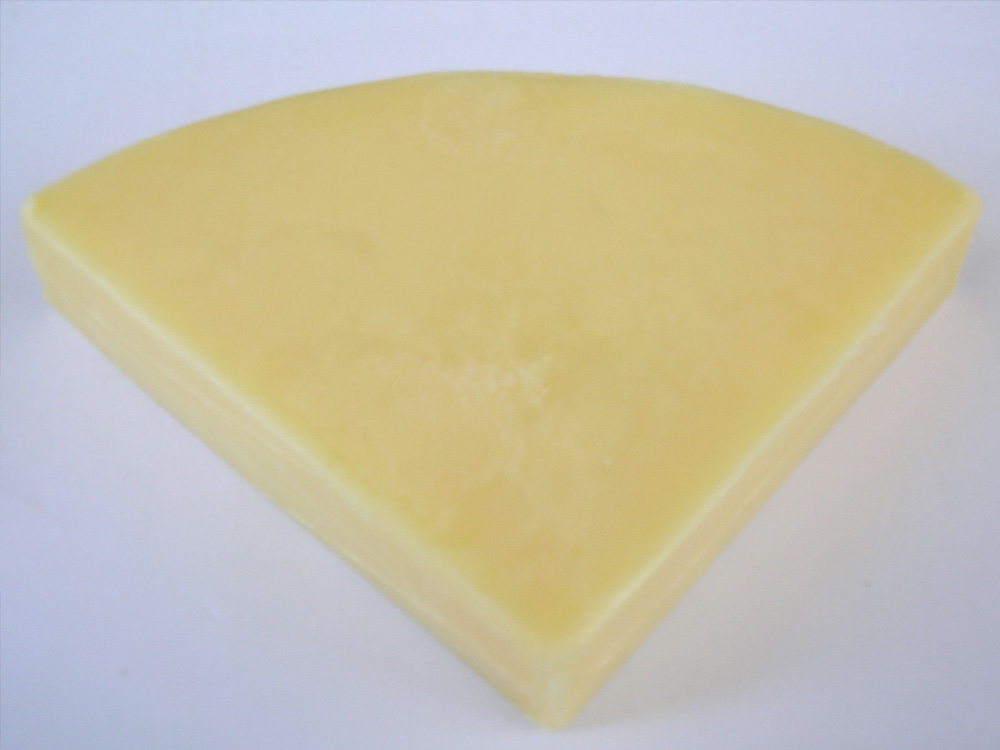
Dunlop cheese, a traditional Scottish variety originating from the village of Dunlop in East Ayrshire, is made from pasteurized cow's milk and vegetarian rennet, making it suitable for vegetarians. It has a firm, crumbly texture and mild and slightly tangy flavour. This cheese is named after the village of Dunlop. While initially associated with Dunlop, the name has become generic, allowing the cheese to be produced elsewhere under the Dunlop label. Maturing for a minimum of 6 months, Dunlop cheese can be savoured in a variety of culinary creations.
Smoked Dunlop - a variant that is smoked over beechwood to add an extra smokey flavour.
Dunlop cheese, a traditional Scottish variety originating from the village of Dunlop in East Ayrshire, is made from pasteurized cow's milk and vegetarian rennet, making it suitable for vegetarians. It has a firm, crumbly texture and mild and slightly tangy flavour. This cheese is named after the village of Dunlop. While initially associated with Dunlop, the name has become generic, allowing the cheese to be produced elsewhere under the Dunlop label. Maturing for a minimum of 6 months, Dunlop cheese can be savoured in a variety of culinary creations.
Smoked Dunlop - a variant that is smoked over beechwood to add an extra smokey flavour.

Over 200,000 page views per month, Put your store on our map!
Contact Us


