





 Quick Links

Feta Cheese
- Share
-

-

-

-

-

-



Ian Jackson
Feta is a wonderfully versatile ingredient. It’s great in salads, adds decadence to quiches and pies, and works well crumbled over pasta or blended into any number of dips, sauces, or dressings.
What is Feta Cheese and Is Feta Good For You?
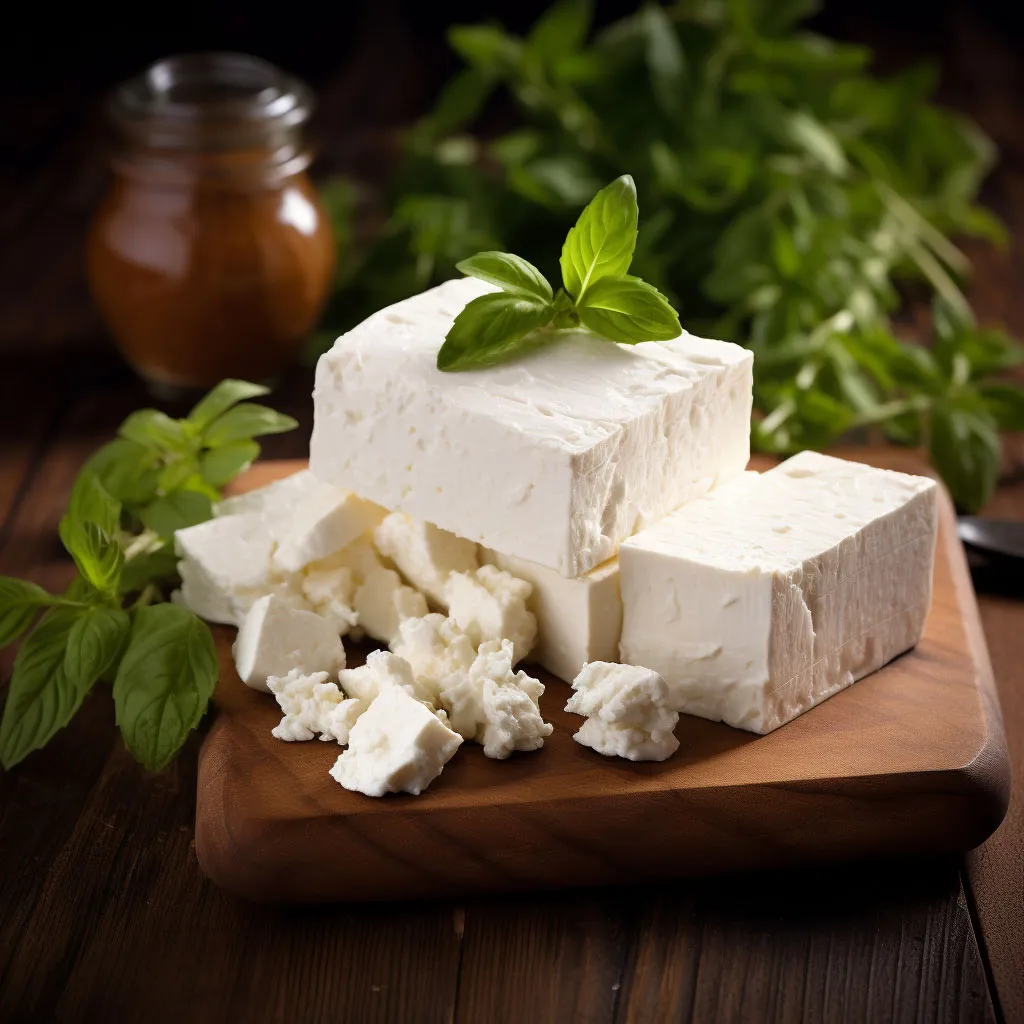
Feta cheese is a popular type of cheese that has been enjoyed for centuries. It originated in Greece and is known for its tangy flavor and crumbly texture. But what exactly is Feta cheese, and is it good for you? In this article, we will explore the health benefits of Feta cheese and its nutritional value, and answer some frequently asked questions about this delicious cheese.
Feta cheese is a type of cheese that originated in Greece and is traditionally made from sheep's milk or a mixture of sheep's and goat's milk. It has a tangy and salty flavor, making it a popular choice for salads, sandwiches, and pasta dishes. In addition to its nutritional content, Feta cheese also provides essential nutrients such as calcium, phosphorus, and vitamin B12.
When selecting Feta cheese, opt for varieties that are made from high-quality milk and have a crumbly texture with a creamy mouthfeel. Some Feta cheeses are in brine, which enhances their flavor and texture. It's important to store Feta cheese properly in the refrigerator to maintain its freshness and prevent it from drying out. Consider incorporating Feta cheese into your meals for a delicious and nutritious addition to your diet.
Is Feta Cheese Healthy?
Feta cheese is often lauded for its health benefits. It is a great source of calcium, which is essential for strong bones and teeth. Additionally, Feta cheese contains protein, which is important for muscle growth and repair. Some studies have also suggested that Feta cheese may have anti-inflammatory properties and could potentially aid in digestion.
However, it is important to note that Feta cheese is also high in sodium, which can be an issue for individuals with high blood pressure. It is advisable to consume Feta cheese in moderation and to be mindful of your overall sodium intake.
Another noteworthy aspect of Feta cheese is its rich vitamin content. Feta cheese is a good source of vitamin B12, which is crucial for maintaining healthy nerve function and forming red blood cells. Additionally, Feta cheese contains riboflavin, a B vitamin that plays a key role in energy production within the body.
Furthermore, Feta cheese is a probiotic food, meaning it contains beneficial bacteria that can promote a healthy gut microbiome. These probiotics can help improve digestion and boost the immune system, leading to overall better health and well-being.
Feta Cheese Nutrition and Calories
While Feta cheese is generally considered a healthy choice, it is still important to be aware of its nutritional composition. A 1-ounce (28-gram) serving of Feta cheese typically contains:
- Calories: 76
- Protein: 4 grams
- Fat: 6 grams
- Carbohydrates: 1 gram
- Calcium: 14% of the Daily Value (DV)
- Sodium: 364 milligrams (16% of the DV)
These values may vary slightly depending on the brand and type of Feta cheese you choose. Keep in mind that Feta cheese is a calorie-dense food, so it is important to enjoy it in moderation as part of a balanced diet.
Is Feta Goat Cheese?
Contrary to popular belief, Feta cheese is not made exclusively from goat's milk. Traditional Feta cheese is made from sheep’s milk or a mixture of sheep's and goat's milk. The exact proportions may vary, but the inclusion of sheep's milk is what gives Feta cheese its distinct flavor and texture.
However, it is worth noting that some manufacturers produce Feta cheese using cow's milk or a combination of cow's milk and goat's milk. These versions may have a milder taste compared to traditional Feta cheese.
Sheep's milk is known for its rich and creamy texture, adding a luxurious mouthfeel to Feta cheese. The combination of sheep's milk and goat's milk creates a unique blend of flavors that is both tangy and slightly sweet, with a crumbly yet creamy consistency.
When it comes to Feta cheese made from cow's milk, the taste tends to be more subtle and less tangy than the traditional sheep and goat milk blend. This variation in milk types used for Feta production offers a diverse range of options for consumers looking to explore different flavor profiles in their dishes.
What Is Feta Cheese Made From?
As mentioned earlier, Feta cheese is made from a combination of sheep's milk and goat's milk. The milk used is typically fermented using lactic acid bacteria, which gives Feta cheese its characteristic tanginess. The cheese is then aged in brine, which further enhances its flavor and helps create its crumbly texture.
What Does Feta Cheese Taste Like?
Feta cheese has a rich and tangy flavor that adds a unique dimension to dishes. It has a slightly salty taste, though the intensity of the saltiness can vary depending on the brand and type of Feta cheese. The texture of Feta cheese is also distinct, with a crumbly and slightly grainy consistency.
Feta cheese pairs well with a variety of ingredients and can be used in salads, sandwiches, and cooked dishes. Its bold flavor can elevate the taste of any dish, making it a versatile ingredient in the kitchen.
Feta Cheese Recipes
Now that you know more about Feta cheese, let's explore some delicious recipes that feature this tasty ingredient:
- Feta Watermelon Salad: Combine diced watermelon, crumbled Feta cheese, fresh mint leaves, and a drizzle of balsamic glaze for a refreshing and savory salad.
- Greek Spinach and Feta Stuffed Chicken: Stuff chicken breasts with a mixture of spinach, Feta cheese, garlic, and herbs for a flavorful and healthy dinner option.
- Mediterranean Pasta Salad: Toss cooked pasta with cherry tomatoes, cucumber, olives, red onion, Feta cheese, and a zesty lemon vinaigrette for a satisfying meal.
These are just a few examples of the many ways you can incorporate Feta cheese into your meals. Get creative in the kitchen and discover your own favorite Feta cheese recipes!
Conclusion
In conclusion, Feta cheese is a delicious and nutritious option that can add a burst of flavor to your meals. It is a good source of calcium and protein, but it is important to consume it in moderation due to its high sodium content. Whether you enjoy it in a salad, a sandwich, or a cooked dish, Feta cheese is a versatile ingredient that can elevate the taste of your culinary creations.
So go ahead, indulge in the tangy goodness of Feta cheese, and explore the various recipes that allow this versatile cheese to shine!

Over 200,000 page views per month, Put your store on our map!
Contact UsOther cheeses from Greece:

Baked Feta Pasta
Discover the viral sensation of Baked Feta Pasta with this easy recipe designed for two. With just 10 minutes of prep and 25 minutes of …

Feta Cheese Pasta
Indulge in the tantalizing flavours of our Feta Cheese Pasta, a quick and easy recipe designed to delight six hungry souls. With a preparation time …
Feta cheese has a tangy and salty flavour profile, making it a versatile pairing choice. Here are three wine types and cracker options that generally complement feta cheese:
Wine Pairings:
- Sauvignon Blanc: The crisp acidity and citrus notes of Sauvignon Blanc can balance the saltiness of feta, creating a refreshing …
Feta brings the fresh aromas of Greece to your table, but you can explore some substitutes to use in your recipes. Find some options here.
When it comes to Greek cuisine, Feta cheese plays a crucial role in adding a tangy and salty flavor to dishes. However, if you find …
Read More


Feta Q & A
-
Is Feta Lactose-Free?
Feta cheese is often considered a suitable choice for individuals with lactose intolerance or sensitivity.
While feta cheese is …
Read More -
Is Feta Vegetarian?
For those adhering to a vegetarian diet, the question of whether feta cheese is suitable can arise. The answer …
Read More -
Is Feta Cheese Gluten Free?
If you follow a gluten-free diet or have gluten intolerance, you'll be pleased to know that feta cheese is …
Read More -
Does Feta Cheese Melt?
If you've ever wondered whether feta cheese can be used as a melting cheese in recipes, the answer is …
Read More -
How To Store Feta Cheese
Proper storage is crucial to maintaining the quality and safety of feta cheese. Follow these guidelines to ensure your …
Read More -
How Long Can Feta Cheese Sit Out?
One of the most common questions when it comes to cheese is how long it can sit out of …
Read More -
Can You Freeze Feta Cheese?
Have you ever found yourself with a surplus of feta cheese and wondered if it is possible to freeze …
Read More -
Can Dogs Eat Feta Cheese?
Many dog owners love to share a bite of their meals with their beloved canine companions. However, when it …
Read More -
Can Cats Eat Feta Cheese?
As a cat owner, you may have wondered if it is safe to share your love for feta cheese …
Read More -
Can You Eat Feta Cheese While Pregnant?
Pregnancy is a time when certain foods need to be approached with caution due to potential risks. Feta cheese …
Read More -
What to serve with Watermelon Feta Salad?
Pairing Watermelon Feta Salad with other foods involves considering flavours, textures, and overall balance. Here are some ideas for …
Read More -
Can you eat feta cheese when pregnant?
Feta cheese is a type of soft cheese, and pregnant individuals are often advised to avoid certain types of …
Read More
