



Building a Summer Cheese Board the New Zealand Way

In much of the Northern Hemisphere, a cheese board belongs to winter evenings and holiday parties. In New Zealand, it tends to arrive with the warm weather. Christmas falls in early summer there, and a long table of cheese, cold meats, fruit and bread is a common way to feed a crowd without spending the afternoon at the stove.
The approach travels well. Whether you are hosting a backyard gathering in July or a Christmas lunch in December, the same principles apply, and the cheese is still the part people talk about afterwards.
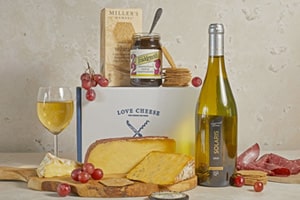
Start with the cheese, then build around it
A good board usually has three to five cheeses with different textures and strengths. Fewer than three can look sparse, while more than five tends to blur together and leaves a lot of leftovers.
A simple mix that covers most tastes looks like this:
- one soft or bloomy cheese, such as a brie or camembert
- one firm cheese, such as an aged cheddar or gouda
- one blue, for guests who like something stronger
- one fresh or washed-rind cheese if you want a fourth or fifth option
For quantities, plan on roughly three to four ounces of cheese per person when it is a snack, and more if the board is the meal. It is better to have one generous wedge of each than several small, fiddly pieces.
In New Zealand, many hosts now order the supporting items online so they can spend their time on the board itself. Crackers, chutneys, olives, nuts and dried fruit can all arrive with the weekly shop, and services such as Paddock to Pantry for groceries make it easier to plan a platter around delivery rather than a last-minute supermarket run.
Getting the temperature right
Cheese tastes best at room temperature, which is why most cheesemongers suggest taking it out of the fridge 30 minutes to an hour before serving. Cold cheese is firm and muted, and the flavour opens up as it warms.
Summer adds a complication. On a hot afternoon, soft cheeses slump quickly and the whole board can sit in the danger zone for longer than intended. The USDA's guidance on the temperature danger zone notes that bacteria grow most rapidly between 40°F and 140°F, and recommends that perishable food not be left out for more than two hours, or one hour above 90°F.
The practical answer is to serve in rounds. Put out a smaller board, keep the rest of the cheese covered in the fridge, and top it up as it empties. Shade helps too, and a marble or slate board stays cooler than timber.
What goes alongside
The supporting cast should contrast with the cheese rather than compete with it. Something sweet, something sharp, something crunchy and something fresh will cover most combinations.
Fruit is the easiest place to start. Grapes and sliced pears are classic, but summer stone fruit, figs and berries work beautifully with soft and blue cheeses. Honey or a fruit paste pairs well with aged cheddar and blue, while pickles, cornichons or olives cut through richer cheeses.
Bread and crackers are worth more thought than they usually get. Plain water crackers let the cheese lead, while seeded crackers and a sliced baguette add texture. Offer at least two options so guests can choose.
Planning for different guests
Most gatherings include at least one guest with a dietary need, and a board is easy to adapt. Keep a gluten-free cracker option on a separate plate so it does not pick up crumbs, and label anything containing nuts.
For vegetarian guests, the cheese itself is usually the issue rather than the meat. Some traditional cheeses are made with animal rennet, so check labels if this matters to anyone at the table. Plenty of good cheeses are made with vegetarian rennet, and a mix of those keeps the board inclusive without anyone feeling singled out.
Making it ahead
Almost everything on a board can be prepared the day before. Wash and dry fruit, slice any cold roast meat and keep it covered in the fridge, and portion out chutneys and olives into small bowls.
On the day, the only jobs left are bringing the cheese up to temperature and assembling the board, which takes about 20 minutes. That timing is a big part of the appeal for summer hosts who would rather be outside with their guests.
Adding meat to the board
A cheese board easily becomes a grazing table once cold meats are added, and this is where New Zealand platters often go beyond a standard charcuterie selection. Alongside salami and prosciutto, many hosts roast a piece of beef or bake a ham the day before, then slice it thinly to serve cold.
Home-roasted meat has a few advantages. It costs less per serving than many cured meats, it can be seasoned to suit the rest of the menu, and it gives the board something more substantial for guests who arrive hungry.
The quality of the meat matters as much as the quality of the cheese. Buying from a butcher rather than picking up whatever is left on the shelf means you can choose the cut and size you need, and for Kiwi hosts ordering online, The Meat Box butcher is one option. A good joint can be roasted, rested and chilled well ahead of time, which keeps the day itself calm.
Putting it together
Arrange the cheeses first, spaced apart, with a separate knife for each so flavours do not mix. Add the meats next, folded or fanned out, then fill the gaps with fruit, crackers and small bowls of chutney or olives.
Label the cheeses if you are serving guests who may want to know what they are eating. A small card or a chalk note on a slate board is enough, and it saves the host from answering the same question all afternoon.
Keeping it simple
The best boards are built from a few good ingredients, served at the right temperature and topped up before they look picked over.
That is why the summer platter has become such a fixture in New Zealand. It feeds a crowd, it suits warm weather, and it leaves the host free to enjoy the gathering rather than cooking through it.
If there is anything left at the end, wrap each cheese separately in baking paper rather than plastic film, which lets it breathe, and use it within a few days.
Leftover roast meat makes excellent sandwiches the next morning, which is its own small reward for the host.


Loading comments...